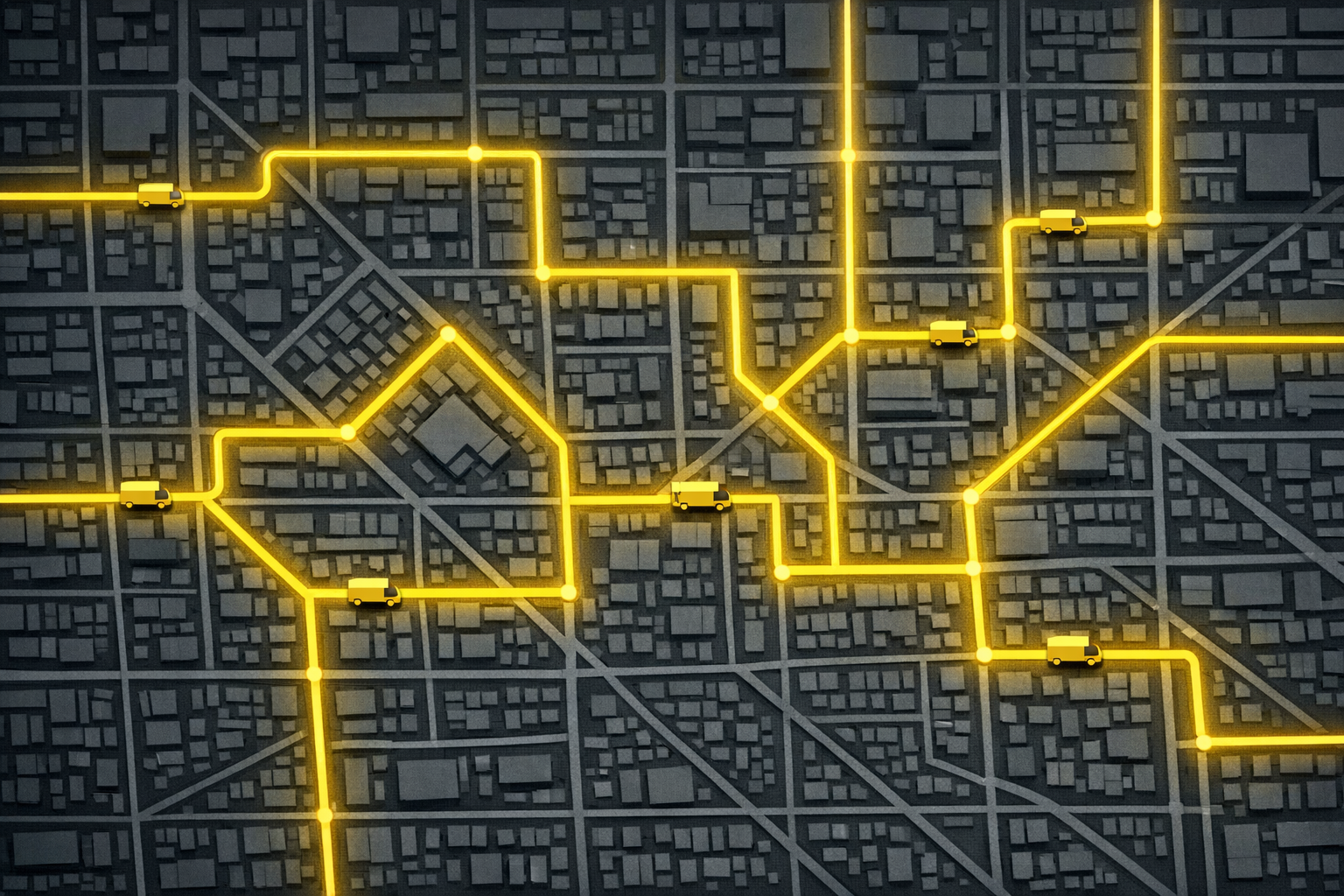
Pizza Delivery Is a Precision Logistics Network
Most people think of pizza delivery as a simple transaction — but beneath the surface lies a sophisticated system of real-time dispatching, route optimization, thermal management, and vehicle coordination. In the United States alone, billions of pizza deliveries occur each year, each one governed by a chain of operational decisions made in seconds.
This website focuses entirely on the how — the infrastructure, the systems, and the science — rather than the commercial side. Whether you're researching delivery logistics, studying supply chain operations, or simply curious about what makes modern food delivery tick, you'll find detailed, factual coverage across every section of this site.
- Dispatch and zone management systems
- Route optimization algorithms and mapping
- Vehicle selection criteria and fleet composition
- Thermal insulation standards and materials
- Packaging engineering for hot food transport
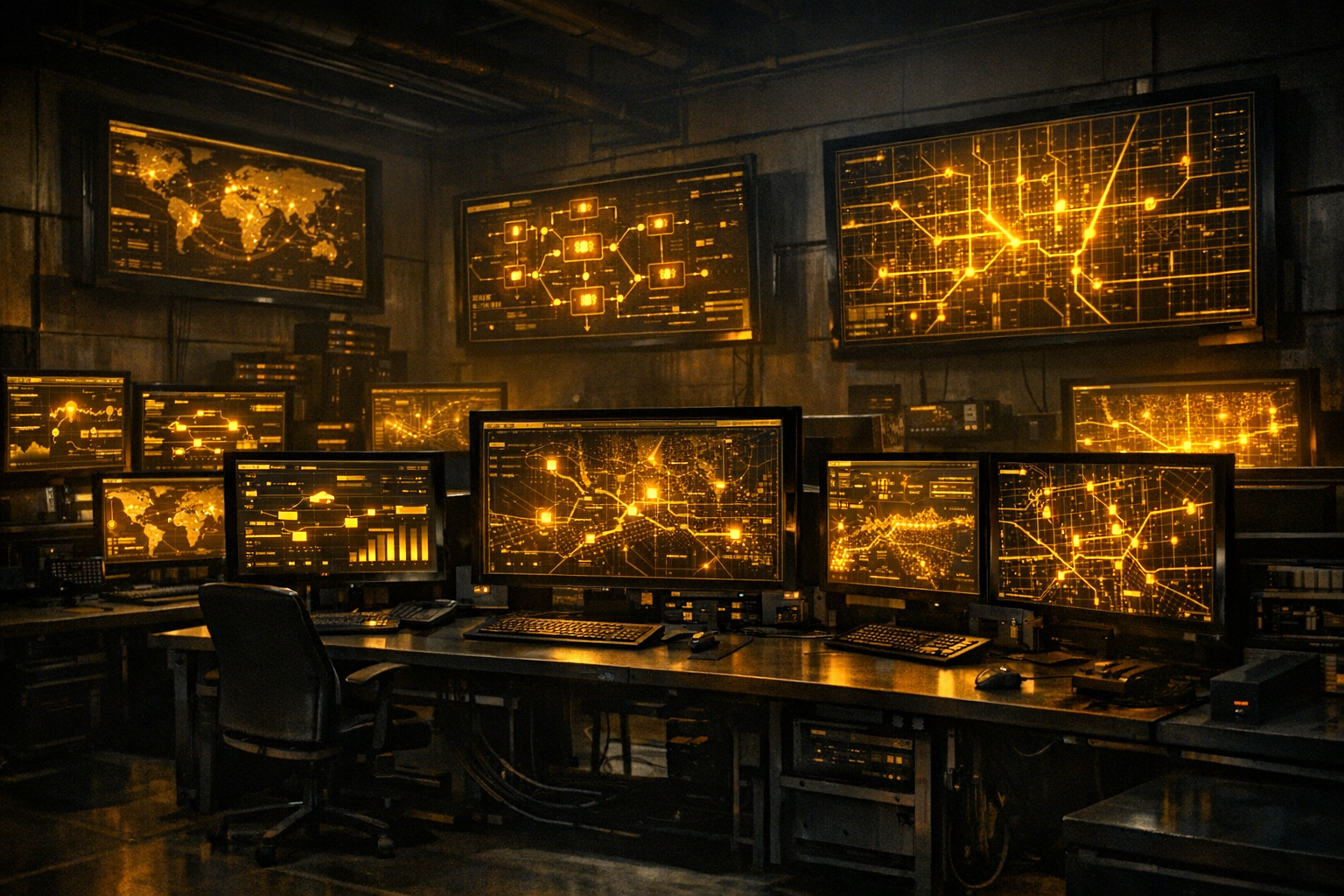
From Dispatch Center to Doorstep
The pizza delivery process begins long before a driver picks up an order. Delivery zones are pre-mapped and continuously updated based on traffic patterns, driver availability, and estimated preparation times. Dispatch systems assign orders to drivers using proximity algorithms and real-time GPS tracking, minimizing idle time and maximizing delivery efficiency.
Once assigned, the driver's route is dynamically planned to account for current road conditions, known traffic bottlenecks, and the delivery address's proximity to other pending orders. Simultaneously, the packaging process ensures that thermal integrity is maintained from oven exit to handoff — a window that typically spans 15 to 35 minutes in most urban U.S. markets.
- Real-time GPS tracking and driver assignment
- Dynamic route recalculation during transit
- Thermal packaging protocols at point of exit
- Contactless handoff and delivery confirmation